
Solar Education & Equipment
How Does Solar Work?
Everything you need to know — from how panels convert sunlight to the exact equipment inside every Power Stack.
The Science, Simplified
Three Ways Solar Generates Power
Solar panels capture sunlight and convert it to DC electricity. From there, your system configuration determines how that power is used, stored, and delivered to your property.
Grid-Tied Solar
The most popular choice for homeowners and businesses
How It Works
- 1Solar panels convert sunlight into DC electricity
- 2An inverter converts DC to AC power for your home
- 3Excess energy flows to the utility grid, earning NEM credits
- 4At night, you draw power from the grid seamlessly
Advantages
- Lowest upfront cost — no battery required
- Simple installation and maintenance
- Earn credits for excess energy via NEM 3.0
- Fastest payback period of any system type
Considerations
- No backup power during grid outages
- System shuts down during blackouts for safety
- Export credits reduced under NEM 3.0 vs. NEM 2.0
Best For
Homeowners and businesses looking for maximum savings with the lowest upfront cost. Ideal in areas with reliable grid power.
A grid-tied system connects directly to your utility grid. Solar panels generate electricity during the day, powering your home and sending excess energy back to the grid for credits under NEM 3.0. At night or on cloudy days, you draw from the grid as usual.
Explore Grid-Tied Power StacksHybrid Solar + Battery
The best of both worlds — savings and backup power
How It Works
- 1Solar panels generate electricity and charge your battery during the day
- 2A hybrid inverter manages power flow between solar, battery, and grid
- 3During outages, the battery automatically powers essential circuits
- 4During peak hours, stored energy reduces your utility bill
Advantages
- Backup power during outages and PSPS events
- Maximize self-consumption under NEM 3.0
- Time-of-use optimization — avoid peak rates
- Battery qualifies for 30% Federal Tax Credit
Considerations
- Higher upfront cost than grid-tied only
- Battery capacity limits backup duration
- Requires more complex installation
Best For
Homeowners in fire zones, PSPS-prone areas, or anyone who wants energy independence without going fully off-grid. Also ideal for maximizing NEM 3.0 savings.
A hybrid system pairs solar panels with battery storage while staying connected to the grid. During the day, solar charges your battery and powers your home. During outages, the battery kicks in automatically. During peak rate hours (4–9 PM), you discharge stored energy instead of buying expensive grid power.
Build Your Hybrid SystemOff-Grid Solar
Complete energy independence — no utility connection
How It Works
- 1Solar panels charge a large battery bank during daylight hours
- 2An off-grid inverter manages all power for your home
- 3Battery bank provides power through the night and cloudy days
- 4Optional generator integration for extended low-sun periods
Advantages
- Complete energy independence — zero utility bills
- No grid connection required — ideal for remote properties
- Immune to utility rate increases, outages, and PSPS events
- Full control over your energy production and consumption
Considerations
- Highest upfront cost due to larger battery bank
- Requires careful energy management and sizing
- No NEM credits — you can't sell excess back to the grid
- May require backup generator for extended cloudy periods
Best For
Rural properties, remote locations, or homeowners seeking complete independence from the utility grid. Requires careful system sizing to ensure year-round reliability.
An off-grid system operates entirely independently from the utility grid. Solar panels charge a large battery bank that powers your home 24/7. A backup generator may be recommended for extended cloudy periods. This is the ultimate in energy independence.
Discuss Off-Grid OptionsSide-by-Side Comparison
| Feature | Grid-Tied | Hybrid | Off-Grid |
|---|---|---|---|
| Grid Connection | Required | Connected (optional) | None |
| Battery Storage | No | Yes | Yes (large bank) |
| Backup Power | No | Yes | Yes (full home) |
| Upfront Cost | Lowest | Moderate | Highest |
| Best ROI | 5–8 years | 6–10 years | 10–15 years |
| NEM 3.0 Credits | Yes | Yes (optimized) | N/A |
| Best For | Budget-focused | Resilience + savings | Full independence |
Which Path Is Right for You?
Solar CCS serves both homeowners and business owners — but the system, incentives, and process are different for each. Find your path below.
For Homeowners
Home Solar
Lower your SCE bill, gain backup power, or go fully off-grid. Residential systems are designed around your home's energy use, your goals, and your budget.
For Business Owners
Commercial Solar
Cut demand charges, maximize your IRA tax credits, and power your facility with 50 kW to 5 MW+ American-made systems. Commercial solar is an investment, not a cost.
What Are the Power Stacks?
Pre-engineered solar packages where every panel, inverter, and battery is matched for peak performance, warranty alignment, and maximum tax credit eligibility. Every component is American-made.
How a Power Stack Works
The Essential
Smart savings. Proven performance. Best-value American-made.
What's Inside
Solar Panel
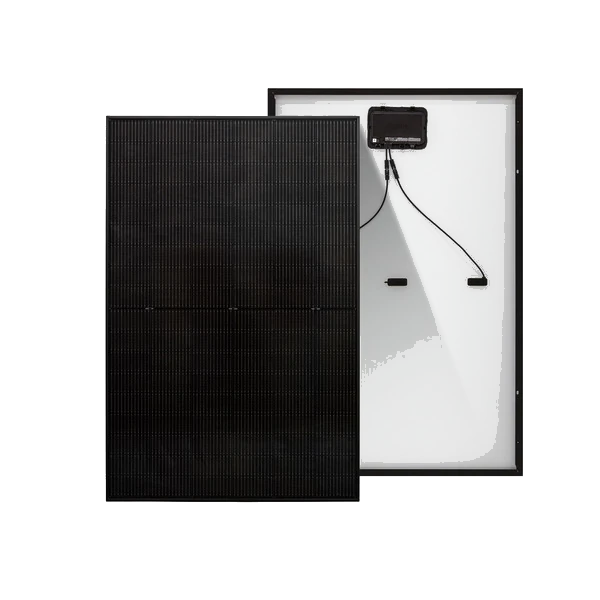
Mission Solar MSX10-435HN0B 435W
Inverter
SolarEdge Home Hub
Battery
Recommended Pairing
SolarEdge Home Battery USA Edition
Tight SolarEdge DC-coupling gives you the highest round-trip efficiency in this tier.
Also Compatible
Hover an alternative to preview the pairing
Tap an alternative to preview
Compatibility verified by Solar CCS engineering
Made in
San Antonio, TX + Austin, TX
Tax Credit
Up to 40%
Best for
Budget-conscious homeowners wanting reliable savings
Understand Your System Type
Choose how your solar system connects to the grid
Grid-Tied
Solar panels feed power directly to the grid through your inverter. You offset your electricity bill through net metering — the simplest and most affordable solar setup.
Available in
Hybrid
Solar plus battery storage. Store excess energy for evening use or power outages. Your system works with the grid but can run independently when it goes down.
Available in
Off-Grid
Complete energy independence. Your solar array and battery bank power your entire home with no utility connection. Requires oversized system and storage.
Available in
Residential Equipment
The Hardware Inside Every Power Stack
Every component is sourced from manufacturers we trust, tested in the field, and backed by warranties that outlast your mortgage.
Solar Panels
All panels in our residential Power Stacks are IRA Domestic Content eligible — qualifying for up to 40% ITC.

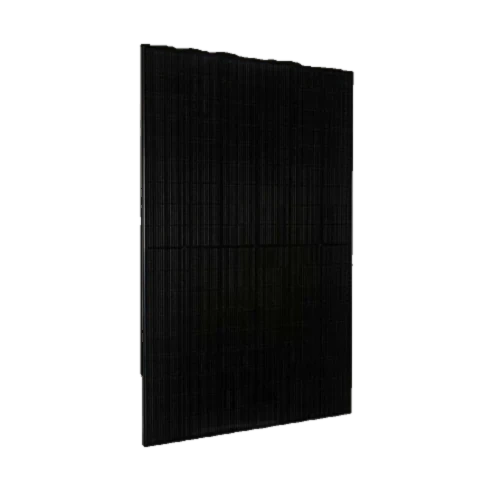
Qcells Q.TRON BLK M-G2.C+ 430W
- Wattage
- 430W
- Efficiency
- 22.5%
- Cell Type
- All-Black Monocrystalline
- Warranty
- 25 years
- Origin
- Assembled in USA (Georgia)
- IRA Domestic Content Eligible
- All-black aesthetic for HOA-friendly installs
- Industry-leading power density
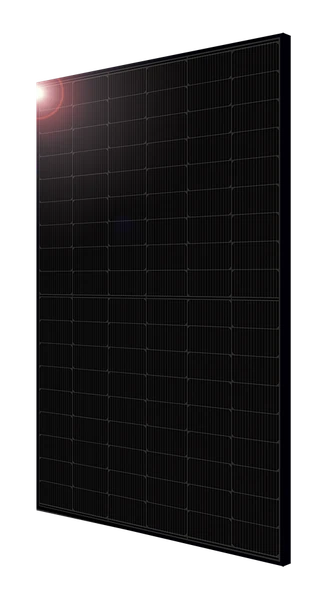
Mission Solar MSX10-435HN0B 435W
- Wattage
- 435W
- Efficiency
- 21.4%
- Cell Type
- Monocrystalline PERC
- Warranty
- 25 years
- Origin
- Made in USA (San Antonio, TX)
- IRA Domestic Content Eligible
- Best value American-made panel
- Proven track record in residential

Silfab SIL 440 QD DCA2
- Wattage
- 440W
- Efficiency
- 21.2%
- Cell Type
- N-Type Monocrystalline
- Warranty
- 30 years
- Origin
- Made in USA & Canada
- IRA Domestic Content Eligible
- Industry-best 30-year warranty
- Enhanced fire safety rating
Inverters
The brain of your solar system — converting DC power from panels into AC power for your home.

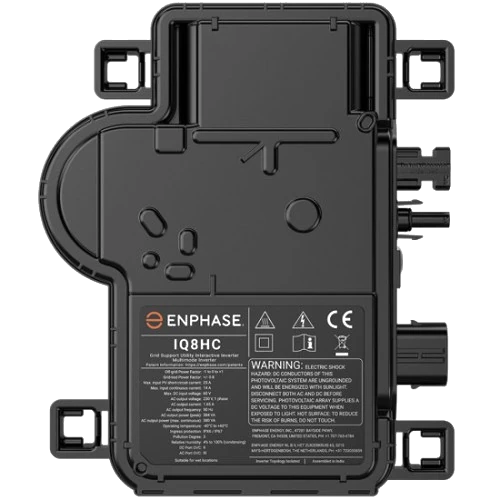
Enphase IQ8HC-DOM-US
- Efficiency
- 97.5% CEC
- Type
- Microinverter
- Module-level optimization and monitoring
- No single point of failure
- Sunlight Backup — works during outages without battery

SolarEdge SE Home Hub
- Efficiency
- 99% CEC
- Type
- String Inverter with Optimizers
- Built-in EV charger integration
- Arc fault detection (AFCI)
- HD-Wave technology for compact design

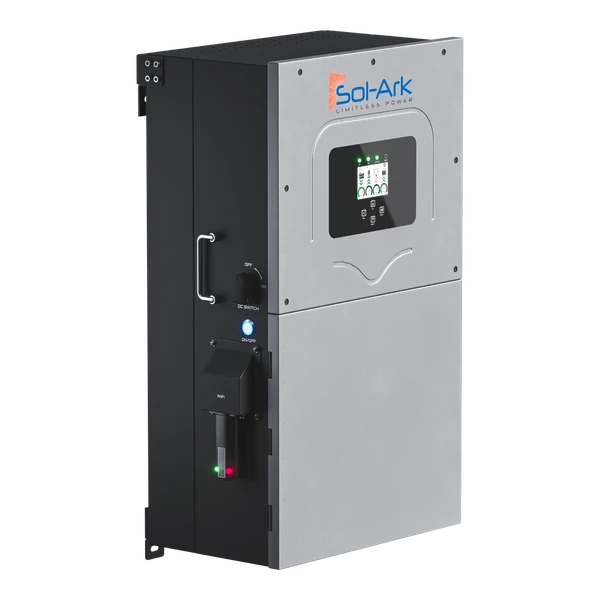
Sol-Ark SA-15K Limitless 15K-2P Hybrid
- Efficiency
- 97.5%
- Type
- Off-Grid Capable Hybrid Inverter
- Full off-grid capability
- Whole-home backup with battery
- Dual MPPT for flexible array design
Battery Storage Options
All three battery options are available with every Power Stack. Choose based on your capacity needs and budget.

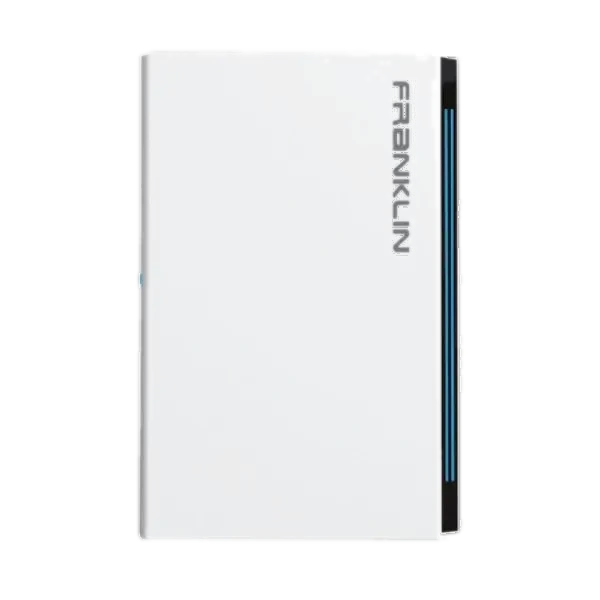
Franklin WholePower aPower 2
- Capacity
- 15 kWh
- Power
- 10 kW continuous
- Chemistry
- LFP (Lithium Iron Phosphate)
- Warranty
- 15 years
- Scalable
- Up to 225 kWh (15 units)
- Largest single-unit capacity in class
- Built-in automatic transfer switch
- Storm Guard weather-aware charging

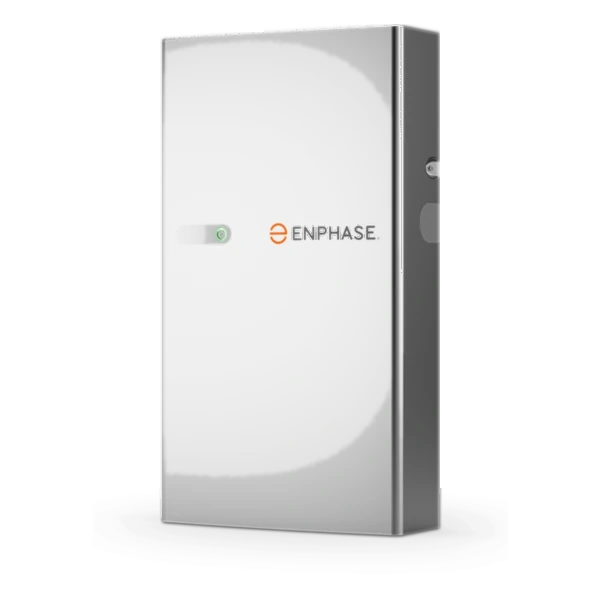
Enphase IQ Battery 5P
- Capacity
- 5.0 kWh per unit
- Power
- 3.84 kW continuous / 7.68 kW peak
- Chemistry
- LFP (Lithium Iron Phosphate)
- Warranty
- 15 years
- Scalable
- Stack multiple units for more capacity
- AC-coupled microinverter architecture
- Seamless Enphase ecosystem integration
- Individual battery-level monitoring

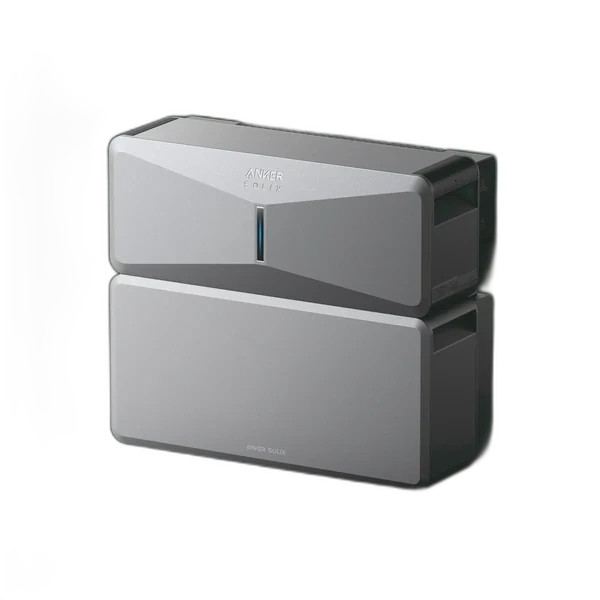
Anker SOLIX E10
- Capacity
- 5 kWh per module
- Power
- 6 kW continuous
- Chemistry
- LFP (Lithium Iron Phosphate)
- Warranty
- 10 years
- Scalable
- Up to 180 kWh (modular expansion)
- Highly modular — add capacity anytime
- Smart home integration ready
- Compact wall-mount design

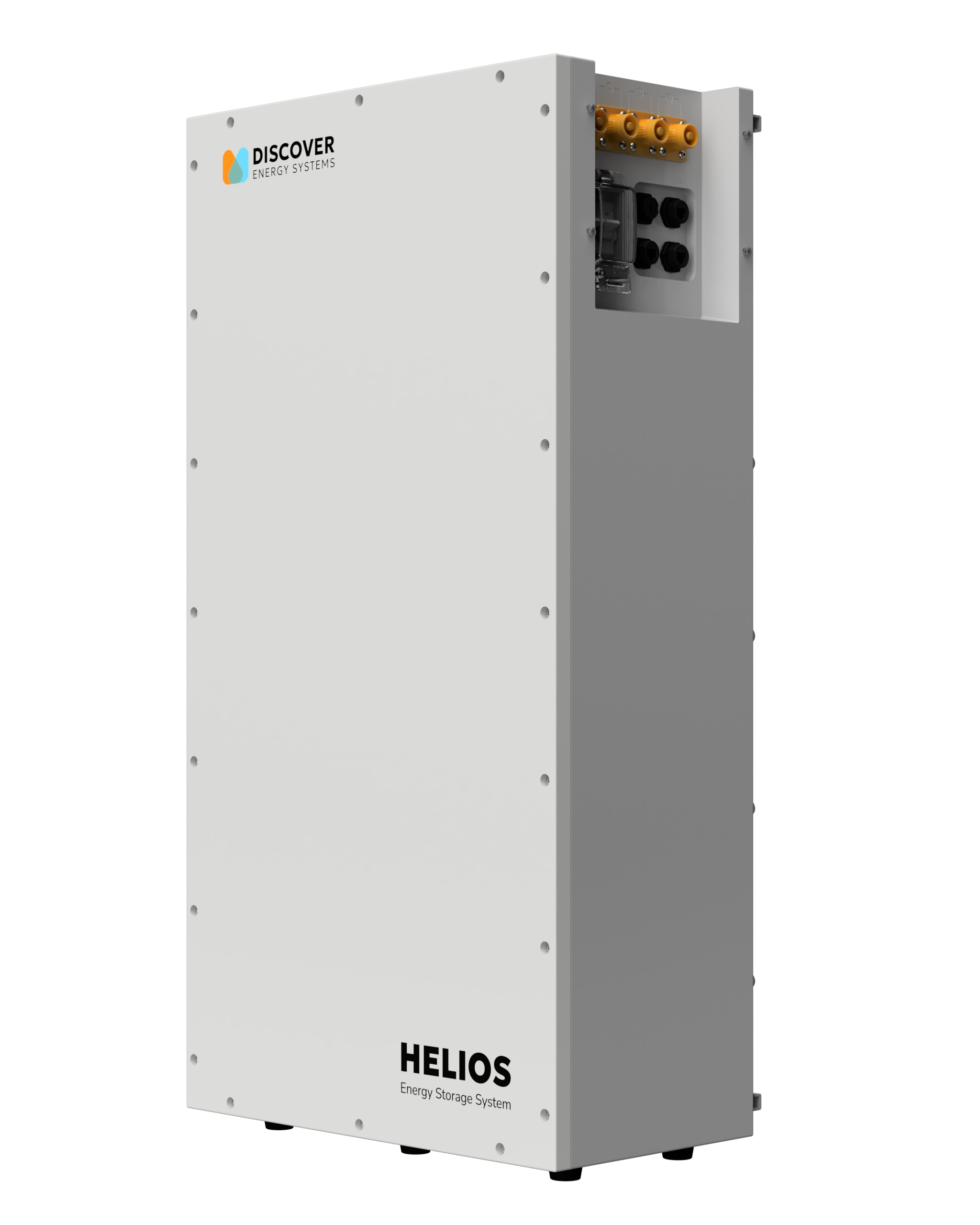
Discover Helios ESS
- Capacity
- 16.1 kWh per unit
- Power
- 10 kW continuous
- Chemistry
- LFP (Lithium Iron Phosphate)
- Warranty
- 10 years
- Scalable
- Up to 580 kWh (scalable to 8 units)
- IP65 outdoor-rated enclosure
- Highest capacity per unit (16 kWh)
- Commercial-grade reliability for residential use
Ready to Build Your Power Stack?
Every system is designed around your property, your usage, and your goals. Let's find your fit.