

Commercial solar built by contractors, not brokers.
We design, permit, and install commercial solar and storage under one GC license across the Inland Empire. We start with your budget and operating goals, then build a project-specific plan. Potential tax incentives are subject to eligibility and your tax advisor’s review.
Complimentary assessment · 50 kW to 5 MW+ · Riverside, San Bernardino & Orange County
What the assessment covers
Budget & coverage review
We confirm your installed budget, load, and desired offset or operating coverage before detailed design.
Potential incentive paths
Tax incentives may apply. You and your tax advisor confirm qualification and complete any required registration and filings.
Agree on the next step
We discuss feasibility, scope, and timing first. Detailed engineering or a paid design phase may be needed before a firm proposal.
 SI-Commercial warranty included
Solar Insure covers panels (30 years), inverters (20 years) and Enphase or SolarEdge gateways (5 years) on eligible purchased commercial systems. Roof penetrations and workmanship are covered by our own 10-year SolarCCS workmanship warranty. Read the SI-Commercial warranty terms
Why SolarCCS
We build. We don’t broker.
30+ years of family trade, one GC license
We design, permit, and install with crews under our own GC license and vetted subcontractors — all under one license. We build. We don’t broker.
Potential incentives, clear responsibilities
Your project may qualify for tax incentives, subject to applicable eligibility, documentation, and filing requirements. You and your qualified tax advisor confirm eligibility and complete the required forms. SolarCCS does not prepare or file tax-credit claims.
Local incentive stack
California incentives and utility programs change constantly. We model the incentives active the day you sign.
Clean, verifiable supply chain
Prohibited-foreign-entity rules now gate the credit. We track equipment sourcing so your project stays compliant and your credit stays intact.
Client Showcase
Francisco’s Meat Company
Trusted, reviewed work
“If he said that he would be there at 4:00 in the morning, he was here at 4:00 in the morning.”
92 kW
Roof-mount
65–70%
Energy offset
3+ yrs
Zero downtime
Business showcase
What the 92 kW array powers
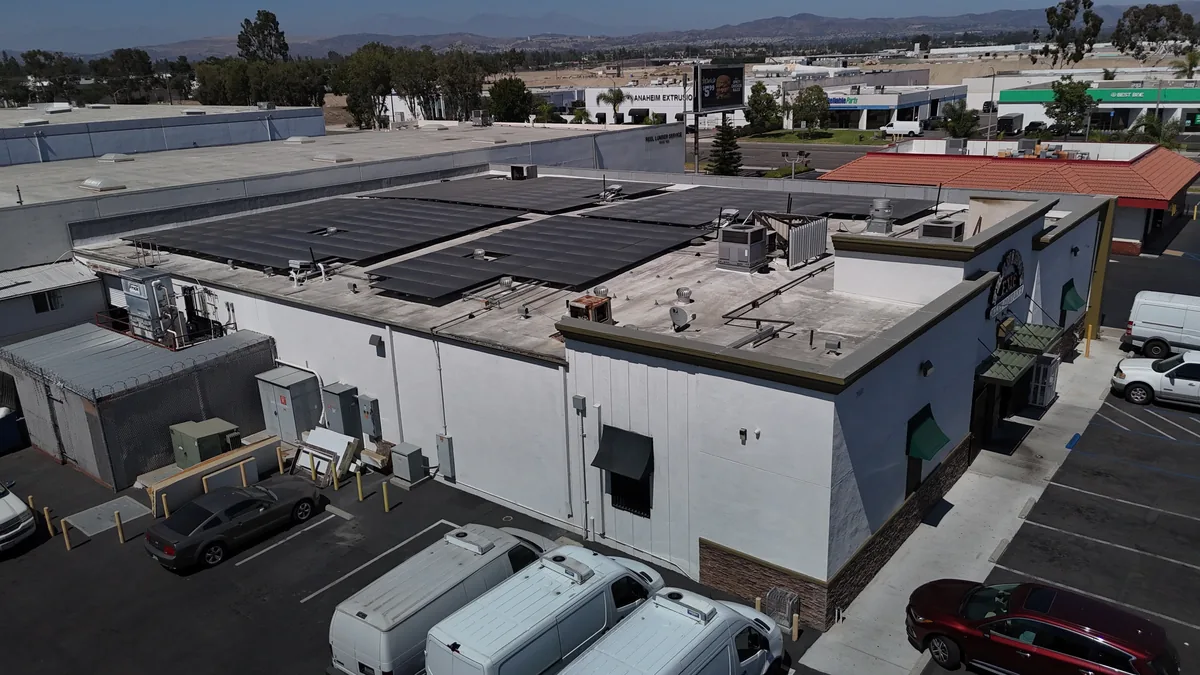
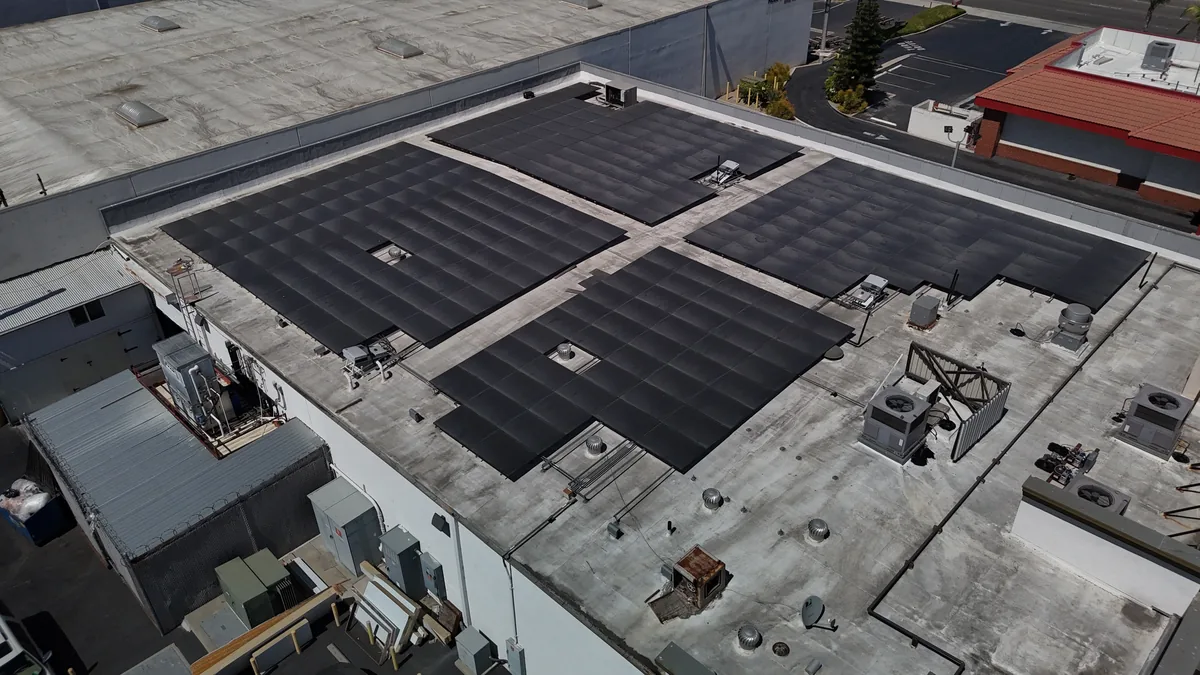
A working meat plant is one of the toughest commercial loads there is. Here is the Anaheim site from the roof down to the equipment the panels carry every day.
Every usable foot, mapped
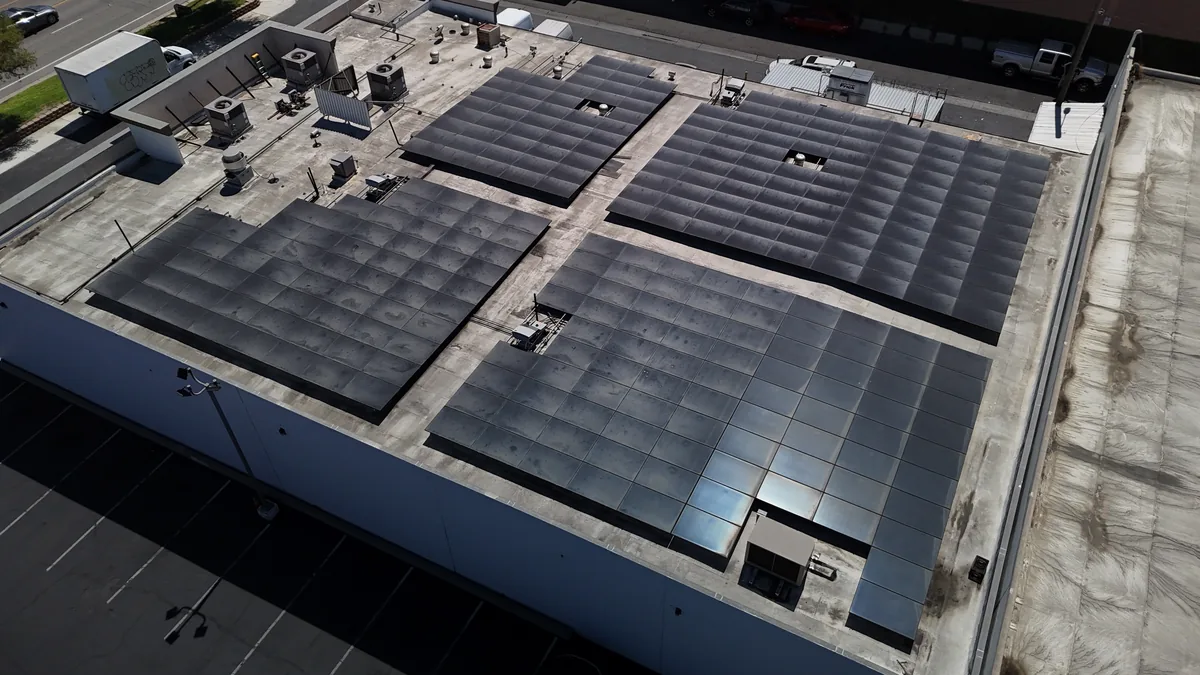
A birdseye pass over the finished grid. Array placement worked around existing roof penetrations and HVAC curbs instead of forcing a reroof.
Refrigeration that never sleeps
Display cases and walk-ins hold temperature 24/7 — the single largest line on a meat plant’s bill. Daytime sun covers the peak the coolers pull hardest.
Processing load on demand
Band saws, grinders, and vacuum sealers spin up through the production shift. That daytime demand curve is the one solar matches most closely.
Running a refrigerated, production, or cold-storage site? A complimentary load review will tell you which part of your bill solar can realistically take.
Heritage
Where this install started — 2020
Archive footage — Canyon Construction Services, 2020. Solar installed by the SolarCCS division. Pre-modernization footage; equipment and crews have since been upgraded, and the array is still running three-plus years later without a day of lost production.
Get My Commercial Assessment
Start with your business and contact details — about 30 seconds. Then tell us as much or as little about the facility as you know. A commercial specialist takes it from there.
Tell us about your business
We'll route this to the right specialist based on your profile.
Required. Not sure? Pick “Not sure” and we’ll work it out with you.
Protected by Cloudflare Turnstile. We never sell your information.
- 1
Budget & coverage review
We confirm your installed budget, load, and desired offset or operating coverage before detailed design.
- 2
Potential incentive paths
Tax incentives may apply. You and your tax advisor confirm qualification and complete any required registration and filings.
- 3
Agree on the next step
We discuss feasibility, scope, and timing first. Detailed engineering or a paid design phase may be needed before a firm proposal.
The July 4, 2026 shift
One date changed the federal math
P.L. 119-21 (the One Big Beautiful Bill Act) set a beginning-of-construction cutoff. Which side of it your project falls on decides how long you have to get the system running.
Construction began on or before July 4, 2026
Your project is not bound by the 2027 date. It follows the normal continuity safe harbor — generally four calendar years after the year construction began — and can claim the federal Section 48E credit stack, potentially up to 70% when every adder applies.
Keep the continuous-construction record clean; we document it as we build.
Construction begins after July 4, 2026
The federal credit is fully intact — same base, same adders — but the solar system must be placed in service by December 31, 2027. Miss it and the solar credit is zero. Battery storage is not subject to that cutoff, and 100% first-year bonus depreciation and utility-bill savings continue regardless.
We build under one license, so we can hit the 2027 window a paper-broker can’t.
Commercial solar, by the numbers
Built for the 2027 incentive window
Section 48E and the adder stack are live now — and they expire. Here’s where the opportunity and our track record stand today.
70%
Potential Section 48E credit stack, when all adders apply
30+
Years building in the Inland Empire
5
Commercial site types we route to the right path
Three ways we make commercial energy pay
Solar where the credit still applies, storage where it carries the math, and one licensed crew doing the work.
Roof and carport solar, sized to your goals
We size the array to your real load and installed budget. Your project may qualify for incentives, but your tax advisor must verify the applicable requirements and complete any registration and filings.
- Placed-in-service deadline: December 31, 2027
- Domestic-content and energy-community adders screened
- Direct Pay for schools, churches, nonprofits, and municipalities
- Equipment sourcing tracked for prohibited-foreign-entity rules
Storage that keeps the numbers working
Storage is not subject to the solar 2027 cutoff, so it is the hedge when a timeline is tight. Demand-charge shaving and backup power pair with incentives that continue on their own runway.
- Incentives verified the day you sign, never assumed
- 100% first-year bonus depreciation
- Backup for refrigeration, POS, and critical loads
- Microgrid and standalone-storage designs
We build. We don’t broker.
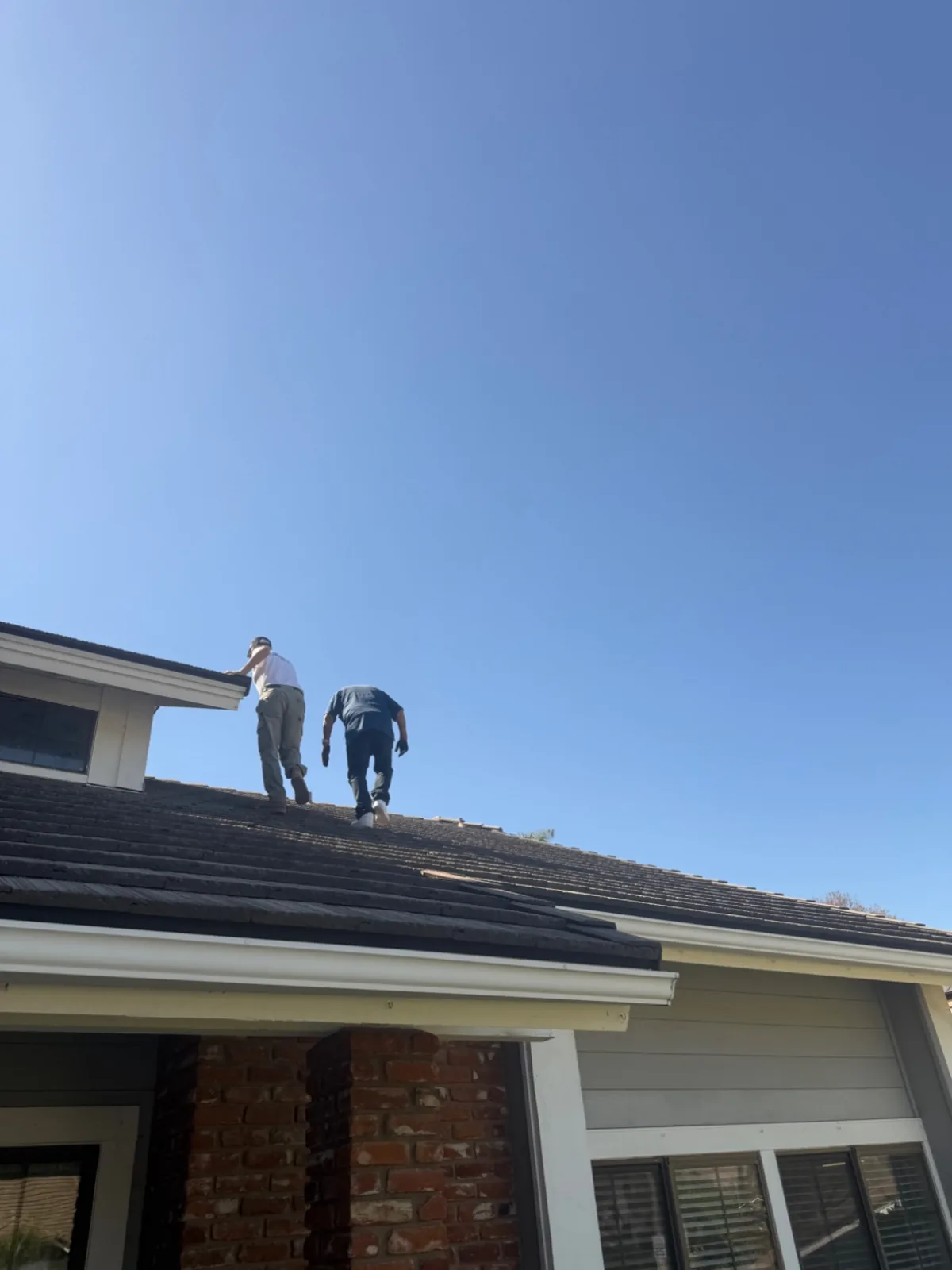
Design, permits, install, and PTO are done by crews under our own general contractor license and vetted subcontractors, so one team owns the schedule end to end.
- Bill and site review sized to your actual load
- Permits and interconnection pulled for you
- Construction requirements reviewed for your project
- System closeout records for your files
Commercial Power Stacks
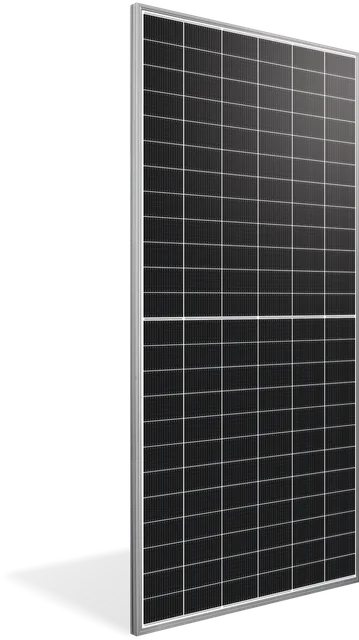
See exactly what goes on your roof.
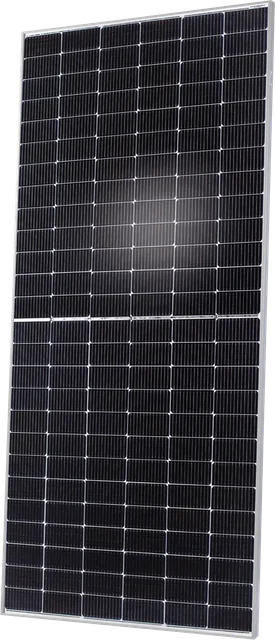
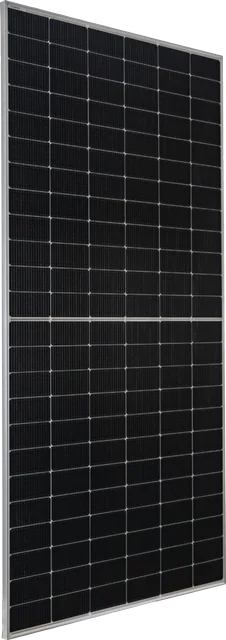
Compare the Pinnacle, Essential and Guardian stacks side by side, then pair one with storage. Easy to share with your partners or your CFO.
Who we build for
Five kinds of commercial sites
Every category has a different incentive path. Pick yours and we’ll pre-fill the assessment so it routes to the right specialist.
Warehouses & Industrial
High daytime loads, big roofs, and demand charges make these sites worth evaluating. We review project scope and construction requirements before quoting.
Start my assessment Show the Essential Power StackRetail Strip Malls & Restaurants
Refrigeration, POS, and lighting that need dependable power. We size around operating loads, available space, and the backup coverage you need.
Start my assessment Show the Pinnacle Power StackSchools, Churches & Nonprofits
You were told tax credits weren’t for you because you pay no federal income tax. Direct Pay changed that — the credit comes back as a Treasury check.
Start my assessment Show the Essential Power StackMunicipal & Government
Cities, counties, districts, and co-ops may have incentive options. Your qualified tax advisor confirms eligibility and handles any required registration and filings.
Start my assessment Show the Essential Power StackMicrogrids, Agriculture & Critical Infrastructure
Irrigation, cold storage, packing lines — and loads that simply cannot go down. Battery-first designs and standalone storage keep operations resilient.
Start my assessment Show the Guardian Power StackNot sure where you fit?
Most sites are simpler than they look. Start the assessment and we’ll figure out the right path together.
Get My Commercial AssessmentStorage calculator
A ballpark in ten seconds
No dollar figures, no email required to see the estimate — just system sizing and an offset range tuned to your bill.
Instant estimate
Size your system
Drag the sliders. The estimate updates live — no dollar figures, just system sizing and offset range.
Estimated system
200 kW solar
150 kWh battery
Estimated bill offset range
55–70%
Ballpark only. Our team confirms final sizing after a site review.
How we deliver
From utility bill to working system
One GC license and one accountable construction team, from the initial assessment through commissioning. Tax-credit preparation and filing stay with you and your tax advisor.
- 1
Bill & site review
Bring your last utility bill and your roof. We size the system to your actual load and confirm the building can host it.
- 2
Scope & engineering
We engineer the system around your operating loads, coverage target, and budget. Potential incentives are separate from the installed price and require project-specific eligibility review.
- 3
Permits & install
We pull the permits, schedule interconnection, and build with crews under our own GC license and vetted subcontractors — all under one license.
- 4
PTO & documentation
We complete the utility and system handoff and provide project closeout records. You and your qualified tax advisor are responsible for tax-credit eligibility, required forms, registration, and filing.
Job Site Gallery
Commercial Solar in Action
Keep exploring
Your commercial solar options
From storage and process to eligibility and financing — here’s where to go next.
Prefer to just talk it through?
Book a complimentary consultation with a commercial specialist — bring your last utility bill and your roof, and we’ll do the rest.
Ready to take control of your energy costs?
Get a complimentary solar assessment from a GC-licensed team backed by 30+ years of family construction experience. No pressure, just honest numbers.