
The basics
What Solar Insure is
Solar Insure is a third-party warranty provider for solar systems. Its SI-Commercial program covers the panels and inverters on commercial systems installed by a Solar Insure Certified Provider, on top of whatever the equipment manufacturers offer.SI-Commercial terms
SolarCCS (Canyon Construction Services, CSLB #983330) completed Solar Insure certification in October 2026 and is a Solar Insure 2026 Certified Provider. On eligible purchased commercial systems, the SI-Commercial warranty is included in our system price.

Every eligible system we install includes the Solar Insure SI-Commercial warranty, in addition to the manufacturers’ own warranties.
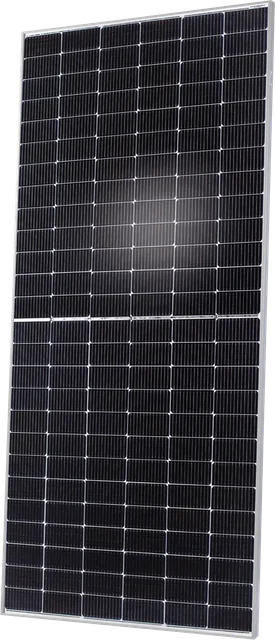
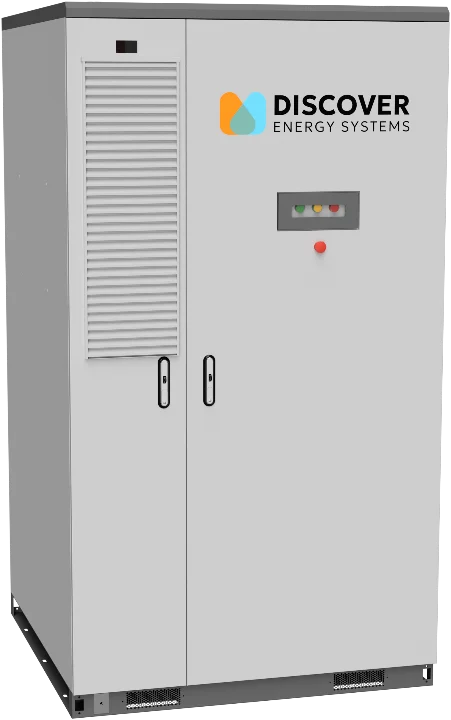
Included on eligible purchased commercial systems up to 2 MW DC: panels are covered for 30 years, inverters for 20 years and Enphase or SolarEdge monitoring gateways for 5 years, including labor and shipping for qualified repairs, with fleet monitoring and claims handling.
Coverage applies to systems that meet Solar Insure’s eligibility requirements and is subject to its terms and conditions. Batteries, roofing, and wiring are not covered by SI-Commercial. Roof penetrations and workmanship are covered by our own 10-year SolarCCS workmanship warranty. Read the SI-Commercial warranty terms
Commercial systems only.
SolarCCS offers SI-Commercial on eligible commercial projects. It is not offered on residential systems. If you are a homeowner, see residential solar & batteries for how those projects are warrantied.
The gap it fills
Why a third-party warranty matters on commercial solar
A commercial array is a 25- to 30-year asset. The warranties on its parts are only as good as the companies standing behind them, and the solar industry has seen manufacturers and installers leave the market well inside that window.
Manufacturer warranties also vary in what they actually pay for. Many cover the replacement part but limit or exclude the labor to remove and reinstall it and the cost to ship it. On a rooftop with hundreds of modules, that labor can cost more than the part.
A third-party warranty puts a separate company behind the equipment for a fixed term and adds the labor and shipping for qualified repairs. That is useful for an owner, and for anyone who later buys, finances or insures the building.
Case study
The $4 million solar fix: what a parts-only warranty leaves behind
In February 2026, Solar Insure’s Dean Chiaravallotti wrote about a third-party owner that ran solar on schools across Hawaii and sold the power under 25-year agreements. The owner used tier-one panels and professional installers, and did most things right. Here is what happened, in short.
Step 1
Output slips
About eight years in, monitoring showed a slow drop in production at several school sites, across different islands and install years.
Step 2
Hot spots found
Infrared inspections found hot spots: cells that had stopped turning sunlight into power.
Step 3
Defect confirmed
After weeks of testing, the manufacturer confirmed a factory defect in earlier production runs and agreed to replace every affected panel.
Step 4
The real bill
Once the operator priced everything the warranty did not pay for, the fix came to roughly $3 to $4 million, with a timeline measured in years.
What the manufacturer’s warranty paid
- Replacement panels for every affected module, under the 25-year product warranty
What the owner was left to pay
- Labor to pull thousands of panels off roofs and racking
- Crane rentals
- Permits
- Electrical disconnect and reconnect
- Shipping old panels from the islands to mainland recycling
- Lost production during a multi-year fix
The racking twist
Panels have grown since these systems went in, so new replacements may not fit the old racking. Either the manufacturer retools to build the old size, or the owner replaces the racking too, which comes close to rebuilding the arrays.
The lesson for any commercial owner: a warranty is only as useful as its answers to three questions. Who pays for the labor and logistics, not just the part? Who stands behind it if the manufacturer or installer is gone? How quickly does the system get back to producing?
That is the gap SI-Commercial is built for: labor and shipping for qualified repairs are part of the coverage, and Solar Insure, a third party, backs it. It is not unlimited. Solar Insure’s Warranty Terms set what each claim pays, so read them alongside any proposal.SI-Commercial terms
Read the full article by Dean Chiaravallotti on LinkedInWhat is included
What SI-Commercial covers
Solar panels
30 years
Panels from brands on Solar Insure’s approved vendor list.
Inverters
20 years
Approved string inverters and microinverters. SolarEdge and Enphase monitoring gateways are covered for 5 years.
Repairs
Labor + shipping
Qualified repairs include the labor and shipping that a parts-only manufacturer warranty often leaves to the owner.
Support
Monitoring + claims
Fleet monitoring and a claims process run with your installer, not left to you.
Coverage applies to equipment from brands on Solar Insure’s approved vendor list, which is why every panel and inverter in a SolarCCS commercial system is chosen from that list. Solar Insure’s published Warranty Terms are the controlling document; this summary is not a substitute for them.SI-Commercial terms
Read this part too
What SI-Commercial does not cover
A warranty is defined as much by its exclusions as by its headline numbers. These are outside SI-Commercial:
- Batteries and battery energy storage systems, for now (manufacturer warranty applies; battery coverage is coming)
- Roof penetrations, leaks, roofing or reroofing
- Installation workmanship (covered by the SolarCCS 10-year workmanship warranty)
- Wiring, conduit and the main electrical panel
- Weather, hail and power surges
- Production or savings guarantees, and lost revenue
- Equipment added later that was not approved or enrolled
Roof and workmanship
Roof penetrations and installation workmanship on SolarCCS projects are covered by our own 10-year workmanship warranty, separate from Solar Insure.
Batteries
If storage is part of the project, the battery system, including its built-in or paired inverter, carries its manufacturer’s limited warranty. Your proposal lists that warranty separately.
Coming soon: Solar Insure is adding commercial battery coverage. We will include it on eligible systems once it is announced, and update this page.
Fit check
Which systems qualify
Ownership
Purchased or PPA
Eligible purchased systems, or systems under Maxwell’s commercial PPA, installed by a Solar Insure Certified Provider.
Size
Up to 2 MW DC
Per enrolled system. Larger sites are reviewed project by project.
Equipment
Approved list
Panels and inverters from brands on Solar Insure’s commercial approved vendor list.
SolarCCS enrolls each eligible system with Solar Insure within 30 days of Permission to Operate, with the equipment serial numbers, permit plan set and commissioning documents. Coverage starts at Permission to Operate, you receive a warranty certificate once the system is enrolled, and the coverage stays with the property address for the full term, so it transfers if you sell the building or the business.Commercial approved vendor list
- Not eligible: systems that already have Permission to Operate. A system that is installed but still waiting on Permission to Operate can be enrolled.
- Not eligible: government buildings.
Your proposal states whether a project qualifies before you sign.
Your side of it
What the owner does to keep coverage in good standing
- 1
Keep the site online
Monitoring needs a working internet connection at the site. A dark monitoring account is the most common way a warranty claim gets harder.
- 2
Follow manufacturer maintenance
Keep to the panel and inverter makers’ maintenance requirements, and keep records.
- 3
Use trained technicians
Have service done by trained technicians. Unapproved changes or additions can fall outside coverage.
- 4
Report problems promptly
A production drop or an inverter fault reported early is a simpler claim than one found months later.
When something fails
How a claim works
The point of the program is that the owner makes one call. SolarCCS handles the rest:
- You call SolarCCS, or our monitoring flags the fault first.
- We diagnose the issue on site or remotely.
- We file the manufacturer’s warranty claim (RMA) for the failed part.
- We complete the repair.
- We file the Solar Insure claim for the qualified labor and shipping.
You do not have to referee between the panel maker, the inverter maker and the warranty provider. If something on the system stops working, call SolarCCS or email contact@solarccs.com.
Comparing proposals
Six warranty questions to ask any commercial solar installer
Whoever you hire, ask these in writing. The answers tell you more than the headline year count.
- Who backs the warranty if the panel or inverter manufacturer leaves the U.S. market?
- Does the warranty pay for labor and shipping, or only the replacement part?
- Is the warranty included in the price, or a separate charge?
- Which components are excluded, and who covers the battery and the roof?
- What do I have to do as the owner to keep coverage in good standing?
- Who files the claim, and who do I call first?
Common questions
Solar Insure SI-Commercial: frequently asked questions
What is the Solar Insure SI-Commercial warranty?
SI-Commercial is a third-party warranty program from Solar Insure for commercial solar systems. On eligible purchased systems installed by a Solar Insure Certified Provider, it covers the solar panels for 30 years and approved inverters for 20 years, including labor and shipping for qualified repairs, along with system monitoring and claims support. Solar Insure’s published Warranty Terms control what is covered.
Does it cost extra?
No separate charge. On eligible purchased commercial systems, SolarCCS includes the SI-Commercial warranty in the system price. It is not sold as an add-on and does not appear as its own line item.
Does SI-Commercial cover my battery?
Not yet. Batteries and battery energy storage systems are not covered by SI-Commercial today, so each battery system, including its built-in or paired inverter, carries its manufacturer’s limited warranty. Solar Insure is adding commercial battery coverage, and we will include it on eligible systems once it is announced.
Does SI-Commercial work with a power purchase agreement (PPA)?
Yes. In addition to eligible purchased systems, systems under Maxwell’s commercial power purchase agreement are approved to pair with SI-Commercial.
Does it cover roof leaks?
No. Roof penetrations, leaks, roofing and installation workmanship are not covered by Solar Insure. On SolarCCS projects those are covered by our own 10-year workmanship warranty.
Can I get SI-Commercial on my home?
No. SolarCCS offers SI-Commercial on eligible commercial systems only; it is not offered on residential systems. Residential projects carry manufacturer warranties plus SolarCCS workmanship coverage, which your proposal spells out.
Is there a size limit?
Yes. SI-Commercial applies to eligible systems up to 2 MW DC per system. Larger sites are reviewed project by project.
Does the warranty transfer if I sell the building or the business?
Yes. Coverage starts at Permission to Operate and stays with the property address for the 30-year term, so it carries over to a new owner.
Can I add SI-Commercial to a system that is already running?
No. A system that already has Permission to Operate is not eligible. A system that is installed but still waiting on Permission to Operate can still be enrolled. Government buildings are also not eligible.
What do I have to do to keep the warranty in good standing?
Keep the site internet connection and system monitoring online, follow the manufacturers’ maintenance requirements, use trained technicians for service, and report problems promptly. SolarCCS enrolls the system with Solar Insure after Permission to Operate.
Who do I call if something stops working?
Call SolarCCS. We diagnose the problem, work the manufacturer’s warranty process, complete the repair and file the Solar Insure claim. You should not have to coordinate between the panel maker, the inverter maker and the warranty provider yourself.
This guide is a general summary, not the warranty itself. Coverage, exclusions and claim terms are set by Solar Insure’s SI-Commercial Warranty Termssolarinsure.com/si-commercial, and project-specific eligibility is confirmed in your SolarCCS proposal. SolarCCS (Canyon Construction Services, CSLB #983330) is a Solar Insure Certified Provider and is not an insurer. Information reviewed October 28, 2026.