

The law, as enacted
Where California stands on plug-in solar
Governor Newsom signed SB 868, commonly called the Plug and Play Solar Act and nicknamed the “Plug Into the Sun Act,” on September 30, 2026 (Chapter 985, Statutes of 2026). It takes effect January 1, 2027 and makes California the largest state to allow receptacle-connected solar without a utility interconnection agreement.California Legislaturepv magazine USA
The simplified pathway applies only to devices that meet every condition in the law, not to everything sold online as “plug-in” or “balcony” solar.
Size limit
1,200 W AC
Combined output per dwelling, counted across every plug-in device at the home, not per outlet or per kit.
Utility process
Notify, not apply
No interconnection agreement, no advance approval, no device fee. Your utility may require a simple online notification with the address, make, model and size.
Time limit
Sunsets Jan 1, 2030
The utility exemption expires unless the Legislature extends it. The law does not say what happens to installed devices after that.
Buying now? Check the exact product, not the label.
To qualify, a device must be certified as a plug-in photovoltaic system by UL or an equivalent lab (UL 3700 is the standard the industry points to), meet the current National Electrical Code and California Electrical Code, and include a certified feature that stops it from feeding the grid during an outage. As of this review, Solar Rights Alliance reports that products meeting California’s requirements are not yet on the market; most trackers expect certified kits in 2027. Verify certification for the specific system you are considering.SB 868 §8530(c)Solar Rights Alliance
Information reviewed October 20, 2026.
The electricity path
How plug-in solar works
Solar panels produce direct current (DC). A small inverter converts it to the alternating current (AC) your home uses. A qualifying plug-in system connects through a receptacle so its output can supply electricity being used in the home at that moment. California’s definition requires the device to be intended to offset the customer’s own onsite consumption.SB 868 §8530
- Sunlight
- Solar panels
- Inverter
- Approved connection
- Home electricity use
Utility branch: grid electricity supplies whatever the panels are not covering, including everything after sunset.
“Plug-in” does not mean “safe on any outlet.” UL identifies circuit-overload, shock and ground-fault-protection issues that have to be addressed by the equipment and the way it is installed. That is why the law ties the exemption to certification and the electrical code rather than to the plug itself.UL safety guidance
Fit check
Is plug-in solar right for your home?
Use these as a first screen, not an installation approval. A promising spot still needs product-specific and property-specific review.
Worth exploring
- You have useful sun. A patio, yard or other permitted spot that is not heavily shaded most of the day.
- You want a smaller step. You are trying to trim part of your electricity use, not replace a full rooftop system.
- You use power during daylight. Someone is home, or a fridge, pool pump, fans or a home office run while the sun is up.
- You can settle permission and placement. The equipment can be located and secured properly, with any owner or HOA authorization in writing.
Check carefully first
- You rent or share the building. Lease terms, property rules, mounting permission and which meter the outlet is on.
- You have a balcony or elevated spot. Wind, falling-object risk and building restrictions decide the mounting, not the product photo.
- You already have solar or a battery. Have a qualified professional review electrical compatibility and any effect on your NEM or net-billing arrangement.
- The location needs electrical work. Price that work before deciding whether a small system is worth it.
Honest math
What could the savings look like?
Start with the electricity you can actually use, not the number printed on the panels. The three examples below hold everything constant except one input, the share of solar electricity used onsite, so you can see how that one assumption changes the result.
Illustrative annual savings
$120
Lower overlap with daytime use
400 kWh used onsite (40%) × $0.30 = $120 per year
Illustrative annual savings
$210
Moderate overlap with daytime use
700 kWh used onsite (70%) × $0.30 = $210 per year
Illustrative annual savings
$270
Higher overlap with daytime use
900 kWh used onsite (90%) × $0.30 = $270 per year
The calculation is onsite-used solar electricity multiplied by the assumed avoided rate. These examples assign no value to exported or unused generation and assume no reduction in fixed charges. They exclude equipment cost, mounting, delivery, maintenance, financing, incentives and future rate changes. Actual results depend on the system, sun, shade, consumption timing, equipment performance and your tariff.
Before buying, compare a property-specific estimate against the total cost of the kit, mounting, delivery and any required electrical work. A low advertised equipment price is one part of that decision, not the decision.
Before you buy
Seven things to check on any plug-in solar kit
Keep this list handy when comparing products or talking to a seller. Ask for documents, not badges on a product page.
- 1
Exact certification
Ask for the model number, the certification record, and confirmation that the complete plug-in configuration (panels, inverter, cord, any meter) is what was certified, not just one component. The California exemption requires certification as a plug-in photovoltaic system by UL or an equivalent nationally recognized testing laboratory.SB 868 §8530
- 2
A suitable electrical connection
Ask which receptacle, circuit and protection the device requires and who will verify them. Do not assume a spare patio outlet qualifies. UL has flagged circuit-overload, shock and ground-fault issues that the equipment and its installation have to address.UL safety guidance
- 3
Property and mounting
Check permission (lease, HOA, condo rules), structural suitability, wind exposure, access and any local building requirement before choosing the location. Inland Empire wind events and summer roof-deck heat are real design inputs, not afterthoughts.
- 4
Total household output
Count every plug-in device at the dwelling, not just the new one. The exemption applies to 1,200 watts AC in aggregate per dwelling.SB 868 §8530
- 5
Utility notification and billing
Ask how your utility’s online notification works once the law takes effect and how your meter and rate plan will treat the device. SB 868 does not create an export-compensation rate, so do not assume a payment for unused production.SB 868 §§8530–8532
- 6
Full cost and support
Ask what is included, what is extra (mounting, cord, meter, shipping), who handles returns, and whether the warranty covers labor, shipping and replacement, not just the part.
- 7
What happens after 2030
Ask how the seller explains the scheduled expiration of the utility exemption on January 1, 2030. Do not accept “lifetime exemption” or “you will have to shut it off”; the statute specifies a sunset and leaves the rest to future rulemaking.SB 868 §8531
Know what you are comparing
Plug-in solar vs. rooftop solar vs. backup power
A smaller bill, a larger share of your electricity and outage protection are three different goals. Sellers sometimes blur them. Pick the goal first, then compare.
Modest daytime bill reduction
Explore whether a qualifying plug-in system fits your property and usage. Expect a dent in the daytime portion of the bill, not a different bill.
A large share of your electricity
Compare a properly sized rooftop or ground-mount system with its total cost, permit, and utility arrangement. See residential solar.
Outage protection
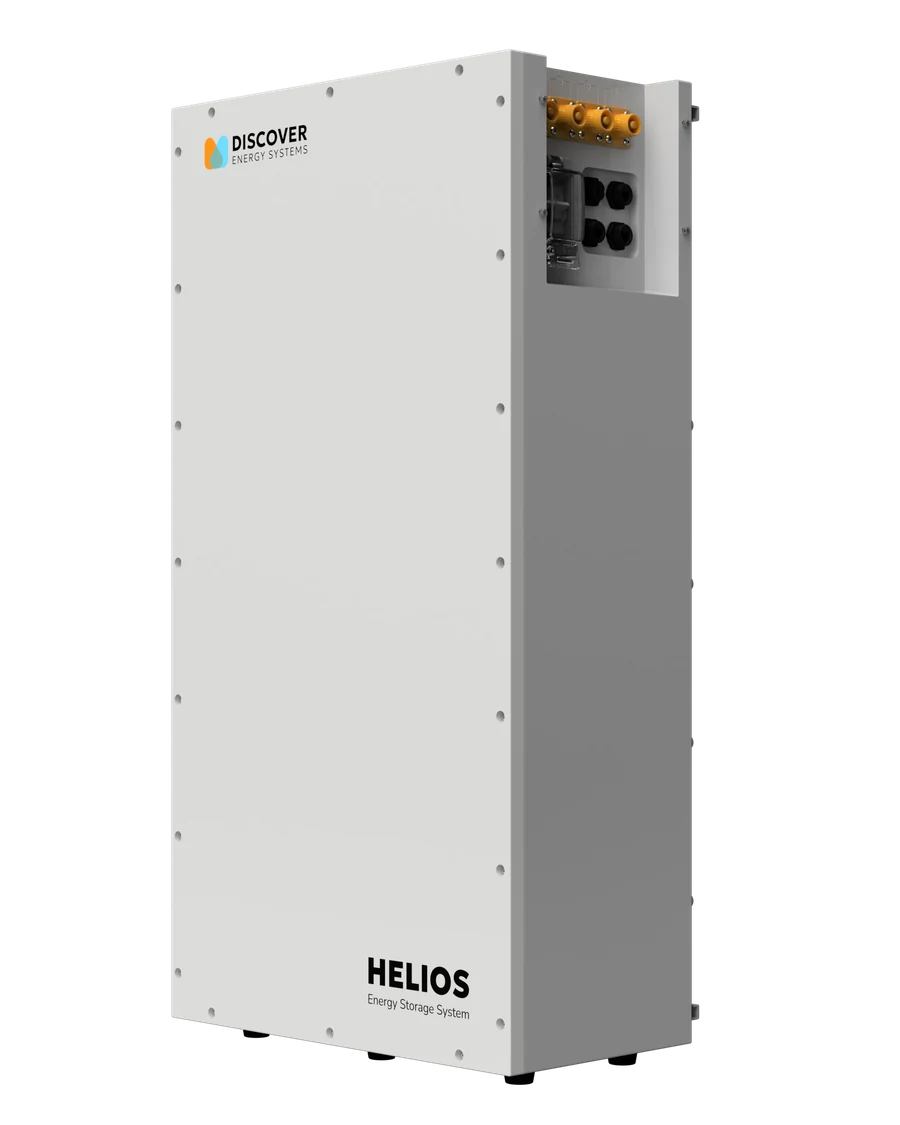
Ask specifically for equipment designed and configured for backup. A basic plug-in kit is required to shut off when the grid does. How batteries change the math.
California requires qualifying plug-in devices to isolate from the building’s wiring so they cannot backfeed the grid during an outage. That safety requirement is the opposite of a promise that the system will keep your lights on in a blackout.SB 868 §8530(c)
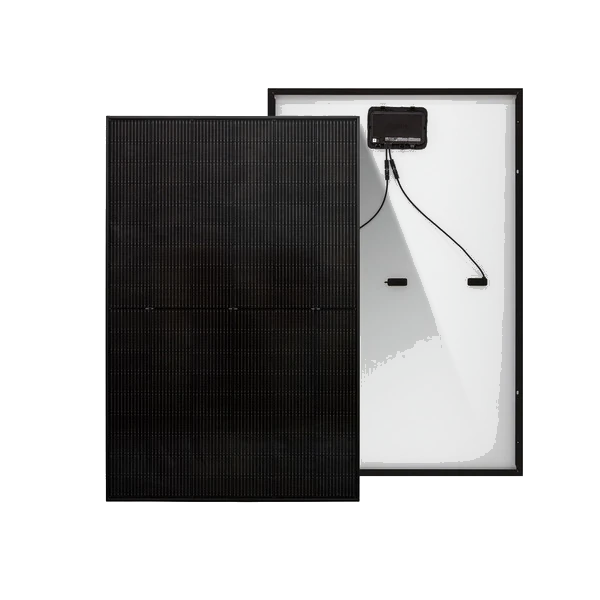
Power Stacks brochures
Your call
Two ways to go: do it yourself, or have us set it up
Plug-in solar was written into law so that people can connect a small system without a contractor. That is a real option, and we are not going to talk you out of it. It also comes with a short list of responsibilities that do not disappear because the plug is simple. Pick the path that fits how much of that list you want to own.
Path 1
Do it yourself
You buy a certified kit from the manufacturer or a reputable seller and handle the setup. Use the seven-point checklist above as your worksheet. You own:
- Confirming the kit is certified as a complete plug-in system for California
- Permission from the owner, HOA or landlord, in writing
- Checking that the outlet and circuit are suitable for the device
- Mounting that survives Inland Empire wind and heat
- Any local permit question, and the utility notification
- Returns, warranty claims and troubleshooting with the seller
Good fit if you are handy, the location is simple, and you would rather spend time than money.
Path 2 · Planned
Have SolarCCS set it up
A paid setup service, separate from the kit, for homes and apartments in the Inland Empire. We would:
- Review the kit’s certification and your location before anyone drives out
- Verify the outlet, circuit and protection in person
- Mount and connect the system the way the manufacturer specifies
- File the utility notification and walk you through the monitoring app
- Tell you plainly if a plug-in kit is the wrong tool for your bill
Electrical changes (a new circuit, a receptacle swap) are not part of a setup visit; they get their own quote or an honest “don’t.” The service starts when kits certified to California’s requirements are on the market; pricing will be published then, and nothing is reserved or charged before that.
Tell us you’re interestedEither way, the kit itself is yours and the savings math is the same. The service pays for certainty about the connection, the mounting and the paperwork, not for a different outcome from the panels.
Riverside · Moreno Valley · San Bernardino
Plug-in solar in the Inland Empire
A few local realities for Riverside County and San Bernardino County homes and apartments:
- Your utility sets the notification form. The law lets both investor-owned utilities (Southern California Edison) and publicly owned utilities (Riverside Public Utilities, Moreno Valley Utility and others) require a simple online notification, and bars all of them from requiring approval or charging a device fee. Expect each utility to publish its own form once the law is in effect.SB 868 §8531
- Daytime load is the whole game. Inland Empire summers push air conditioning and pool pumps into the afternoon, which lines up with solar production. A home that is empty until 6 pm with the thermostat off will use far less of the output.
- Heat and wind are design inputs. Santa Ana winds and 100°F-plus surfaces are hard on cheap mounts, cords and connectors. Ask for the mounting method, temperature ratings and outdoor ratings in writing.
- Permits are a local question. Riverside, Moreno Valley, Corona, Perris and the counties each run their own building departments. SB 868 does not answer whether they require a permit for a specific device; ask them.
- Already have rooftop solar? Check your billing plan first. How to check your NEM status walks through it; adding anything to an existing system deserves a professional review.
Common questions
Plug-in solar in California: frequently asked questions
Is plug-in solar legal in California today?
SB 868, the Plug and Play Solar Act, was signed on September 30, 2026, but its utility exemption does not take effect until January 1, 2027. Before that date the existing interconnection rules still apply. After that date the device must still meet the law’s conditions: 1,200 watts AC or less per dwelling, receptacle connection, current electrical codes, UL (or equivalent) certification as a plug-in photovoltaic system, and certified outage isolation.
Can I use plug-in solar if I rent an apartment in California?
Renters are among the people the law is meant to serve. Before buying, check your lease, get the owner’s written permission for any mounting, confirm the outlet and circuit are suitable, and make sure the electricity would offset usage billed to you rather than a shared or landlord meter.
Does “no utility approval” mean “no permit”?
No. SB 868 exempts qualifying devices from utility interconnection requirements, approvals and fees. It does not contain a blanket waiver of local building or electrical permits, and its definition keeps the National Electrical Code and California Electrical Code requirements. Ask your city or county building department what applies to the actual equipment and location.
Can I put a separate 1,200-watt kit on every outlet?
No. The limit is 1,200 watts of combined AC output per dwelling, counted across every plug-in device at the home, not an allowance per outlet or per kit.
Will a plug-in solar kit power my home during an outage?
Do not assume so. California requires qualifying devices to isolate from the building and stop producing when the grid goes down, which is a safety feature, not a backup feature. Any backup capability has to be specifically documented for the equipment and configuration you buy.
Will SCE or my city utility pay me for extra electricity?
SB 868 does not create an export payment or rate. The law says a qualifying device is intended to offset your own onsite use. Check your utility’s rules, and do not include export earnings in your comparison unless they are confirmed in writing.
What happens to plug-in solar in California in 2030?
The utility interconnection exemption in SB 868 is scheduled to expire on January 1, 2030 unless the Legislature extends it. The law does not promise grandfathering, and it does not say an installed device must shut down. Recheck the rules before making a long-term decision.
Do I have to hire anyone to set up plug-in solar?
No. The law is written around a receptacle connection so that a homeowner or renter can do it. You are still responsible for the certification check, property permission, a suitable outlet and circuit, secure mounting, any local permit, and the utility notification. If you would rather have a licensed contractor handle those steps, that is a service you can pay for separately from the kit.
Is SolarCCS selling plug-in solar kits?
Not today. This page is education, not a product listing. SolarCCS is a licensed California general contractor (CSLB #983330) based in Riverside. Once kits certified to California’s requirements are on the market, we plan to offer an optional paid setup service for them in the Inland Empire: site check, outlet and circuit verification, mounting, connection and the utility notification. Pricing will be published when a compliant kit exists. You can ask for updates without reserving equipment, paying a deposit or requesting a rooftop quote.
Want updates without the sales pitch?
Plug-in solar updates from a local contractor
We will update this page when the law takes effect, when certified products reach the California market, and when the assisted setup service above has a price and a start date. If you want an email when that happens, send a note to contact@solarccs.com with “Plug-in solar updates” in the subject. No purchase, no deposit, and this does not put you in an installation queue.
This guide is general education, not wiring instructions, an installation approval, a product endorsement or a savings guarantee. It is not tax, legal or financial advice; requirements and product availability can change, and a specific property or system may need review by qualified professionals. SolarCCS (Canyon Construction Services, CSLB #983330) is not a financial institution and does not provide loans or determine loan eligibility. No incentive or financing benefit is included in the examples on this page. Information reviewed October 20, 2026.